Bucephala albeola · hlaholka malá · Bufflehead
Alternative and historical names
Slovak names
- hlaholka malá (Kovalik 2010)
- hlaholka belavá (Kovalik 2010)
- hohoľ belavý (Kovalik 2010)
- hlaholka belavá (Matoušek 1990)
- hlaholka malá (Ferianc 1986)
English names
- Bufflehead (IOC 2.5 2010)
- Buffel-headed Duck (BOU 1923)
Scientific names
- Bucephala albeola (AviList 2026)
- Bucephala albeola (IOC 15.2 2026)
- Bucephala albeola (IOC 2.5 2010)
- Glaucionetta albeola (BOU 1923)
Taxonomic synonyms
- Anas albeola (Linnaeus, 1758)
- Charitonetta albeola (Linnaeus, 1758)
- Glaucionetta albeola (Linnaeus, 1758)
- Bucephala albeola (Linnaeus, 1758)
No photograph yet
Birding Slovakia database
This species through our community’s eyes
Species characteristics in Slovakia
- General occurrence
- vagrant / V
- Rarities committee:
- Sighting of this specie should be reporter to Raritties Commitee
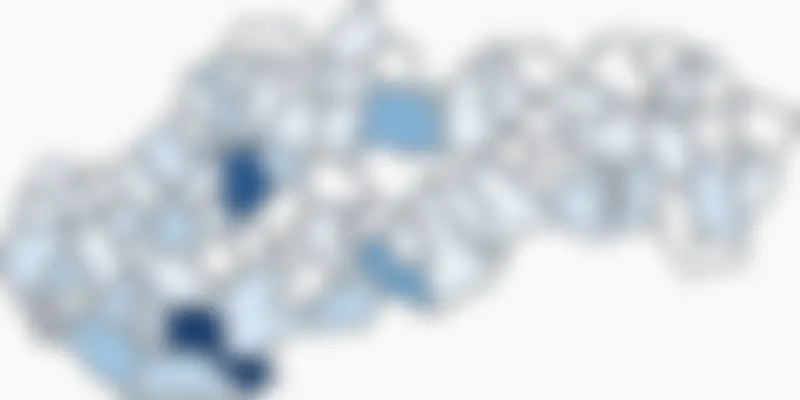
Observation map
Detailed species observation statistics

Source: the Birding.sk database. Counts reflect observer contributions, not population size.
About this species
Distribution
It originates in North America, breeding mainly in Canada and Alaska and wintering farther south. It occurs rarely in Europe and is also kept in captivity. Slovak records are exceptionally scarce, and the official checklist associates them with uncertainty over natural origin. It is neither a regular migrant nor a breeder here.
Habitat
It breeds on lakes and wetlands in wooded country and also uses coastal bays and open inland waters in winter. In Slovakia it might appear on rivers or reservoirs among other diving ducks. Any markings and the circumstances of occurrence should be documented along with identification.
Breeding
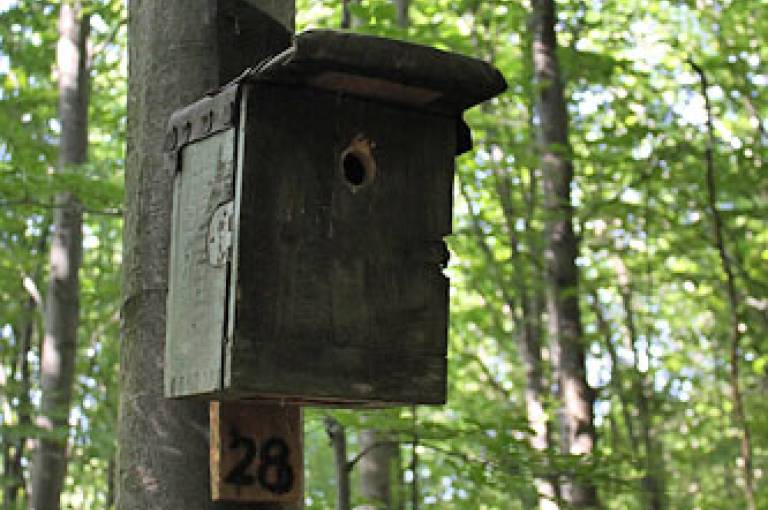
It nests in tree cavities near water, often using old woodpecker holes. The female incubates and leads the young out after hatching; they reach the water before they can fly.
Food
It catches aquatic insects, crustaceans, molluscs and other small animals through repeated dives. Plant material forms a smaller part of the diet.
Interesting fact
It is small enough to occupy holes made by the North American Northern Flicker, which larger ducks cannot enter. Its breeding therefore depends partly on the work of woodland birds we do not usually associate with ducks.
Sources: Slovak Wikipedia · English Wikipedia · BTO BirdFacts
Sign in to send private feedback on the text to our editors.
Explore further
Overview and identification
Descriptions, identification and names.
- Slovak Wikipedia ↗
Taxon account in Slovak: distribution, biology and references for further reading.
https://sk.wikipedia.org/wiki/Hlaholka_mal%C3%A1 - English Wikipedia ↗
Taxon account in English: distribution, biology and taxonomic context.
https://en.wikipedia.org/wiki/Bufflehead - BTO BirdFacts ↗
Biology and identification in English; population figures and trends refer to Britain.
https://www.bto.org/learn/about-birds/birdfacts/bufflehead