


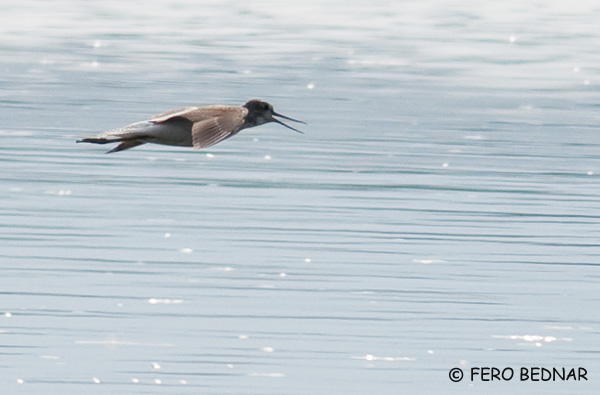
Tringa nebularia · kalužiak sivý · Common Greenshank
Alternative and historical names
Slovak names
- kalužiak sivý (Kovalik 2010)
- kalužiak sivý (Matoušek 1990)
English names
- Common Greenshank (IOC 2.5 2010)
- Greenshank (BOU 1923)
Scientific names
- Tringa nebularia (AviList 2026)
- Tringa nebularia (IOC 15.2 2026)
- Tringa nebularia (IOC 2.5 2010)
- Tringa nebularia (BOU 1923)
Taxonomic synonyms
- Totanus glottis (Bechstein, 1809)
- Glottis nebularia (Gunnerus, 1767)
- Scolopax nebularia (Gunnerus, 1767)
- Tringa nebularia (Gunnerus, 1767)
- Scolopax glottis (Linnaeus, 1758)
Birding Slovakia database
This species through our community’s eyes
Photographs by category
Species characteristics in Slovakia
- Migration
- common transmigrant / Tc
- Wintering
- rare wintering / Wr
- Rarities committee:
- Does not require any reporting or registration by Raritties commitee
Observation map

Detailed species observation statistics

Source: the Birding.sk database. Counts reflect observer contributions, not population size.
About this species
Distribution
It breeds from northern Scotland across northern Europe and Asia and winters in Africa, southern Asia and Australia. Slovakia is a stopover between these regions, rather than a regular breeding area. Birds occur from late March to May and return from July into autumn. Winter observations are unusual.
Habitat
Breeding habitats include northern wetlands and open ground near taiga. In Slovakia, search shallow fishponds, muddy reservoir bays and flooded ground. Its long legs allow it to forage deeper than small sandpipers.
Breeding
On the breeding grounds it usually lays four eggs in a scrape on drier ground near a wetland. Chicks leave early and feed themselves, while adults guide and protect them.
Food
Besides aquatic insects and other invertebrates, it catches small fish and amphibians. Feeding birds may run rapidly through shallows, changing direction after moving prey.
Interesting fact
The long bill appears slightly upturned. In flight it shows a white wedge up the back and gives a ringing, multi-note whistle, often heard before the bird is seen.
Sources: Slovak Wikipedia · English Wikipedia
Sign in to send private feedback on the text to our editors.
Explore further
Overview and identification
Descriptions, identification and names.
- Slovak Wikipedia ↗
Taxon account in Slovak: distribution, biology and references for further reading.
https://sk.wikipedia.org/wiki/Kalu%C5%BEiak_siv%C3%BD - English Wikipedia ↗
Taxon account in English: distribution, biology and taxonomic context.
https://en.wikipedia.org/wiki/Common_greenshank - BTO: Identifying common shanks ↗
English identification video comparing this taxon with similar species and explaining distinguishing features.
https://www.bto.org/learn/skills/bird-identification/videos/common-shanks


