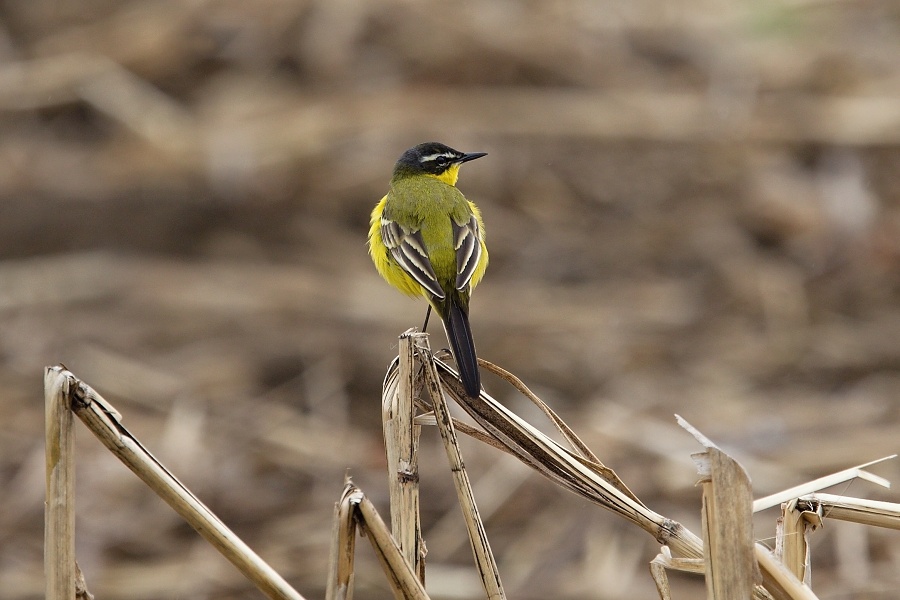
Motacilla flava feldegg · trasochvost žltý čiernohlavý · Western Yellow Wagtail
Alternative and historical names
Slovak names
No records yet.
English names
No records yet.
Scientific names
- Motacilla flava feldegg (AviList 2026)
- Motacilla flava feldegg (IOC 15.2 2026)
Taxonomic synonyms
- Motacilla flava melanogrisea (Homeyer, 1878)
- Motacilla flava feldegg Michahelles, 1830
Birding Slovakia database
This species through our community’s eyes
Photographs by category
Species characteristics in Slovakia
- Migration
- rare transmigrant / Tr
- Rarities committee:
- Sighting of this specie should be reporter to Raritties Commitee
Observation map

Detailed species observation statistics

Source: the Birding.sk database. Counts reflect observer contributions, not population size.
About this species
Distribution
The Black-headed subspecies of Western Yellow Wagtail breeds from south-eastern Europe through the Black Sea region into western Asia. It winters mainly in Africa and southern Asia. Slovakia lies north of its main European breeding distribution. Here it is a rare migrant, especially noticeable on spring passage; isolated records do not establish a regular breeding population or wintering pattern.
Habitat
It occupies open wet ground, meadows, pastures and low vegetation around wetlands. During passage through Slovakia it can use flooded fields, fishpond edges and river deposits alongside other subspecies. Distant birds require care, as apparent head colour can be misleading.
Breeding
It nests on the ground under grassy cover. The lined cup usually contains 5–6 eggs, and both parents help feed the chicks. This describes the subspecies within its breeding range.
Food
Its food consists of small insects and other invertebrates collected while walking or caught in short sallies. It frequently follows grazing livestock and exploits disturbed prey.
Interesting fact
The male has a black crown and cheeks contrasting with a yellow throat. A dark head alone is insufficient: northern forms, intermediate individuals and poor lighting can create a similar impression.
Sources: Slovak Wikipedia · BTO BirdFacts · English Wikipedia
Sign in to send private feedback on the text to our editors.
Explore further
Overview and identification
Descriptions, identification and names.
- Slovak Wikipedia ↗
Taxon account in Slovak: distribution, biology and references for further reading.
https://sk.wikipedia.org/wiki/Trasochvost_%C5%BElt%C3%BD - BTO BirdFacts ↗
Biology and identification in English; population figures and trends refer to Britain.
https://www.bto.org/learn/about-birds/birdfacts/yellow-wagtail - English Wikipedia ↗
Taxon account in English: distribution, biology and taxonomic context.
https://en.wikipedia.org/wiki/Western_yellow_wagtail
Sounds, photographs and video
Recordings and visual comparisons.
- BTO: identifying yellow-coloured wagtails ↗
English comparative identification video covering appearance and vocalisations. Parent-species comparison; does not independently diagnose this subspecies.
https://www.bto.org/learn/skills/bird-identification/videos/yellow-coloured-wagtails